
You’re probably here because you’ve heard something about the ‘iidamilda leak’. I get it. It’s a hot topic, and everyone’s talking about it.
But let me be clear: this article isn’t about sharing or spreading any private content.
Instead, I want to talk about the bigger picture. The serious implications of such leaks and the digital privacy issues they raise. Understanding the consequences is more important than the content itself.
I’ll break down the legal and ethical aspects. And I’ll give you practical advice on how to protect your own digital privacy. Because in the end, that’s what really matters.
What Does an ‘Online Leak’ Actually Mean?
An online leak means someone’s personal, private content gets shared on the internet without their permission. It’s a serious breach of trust and privacy.
Often, these leaks happen through hacking or betrayal by someone close. Once the content is out, it spreads like wildfire across social media and forums. The viral nature of the internet makes it nearly impossible to remove once it’s been widely shared.
Imagine a single photo or video. Within hours, it can reach millions of people. This isn’t just harmless gossip; it’s a severe violation of someone’s privacy.
The term iidamilda leak might sound technical, but it’s just another way of describing this kind of unauthorized sharing. It’s crucial to understand the gravity of such actions.
If you find yourself in this situation, act fast. Contact the platform where the content was posted and request its removal. Consider legal action if necessary.
Privacy is a fundamental right, and protecting it should be a top priority.
The Serious Consequences for Everyone Involved
When someone’s private content gets leaked, it’s not just a minor inconvenience. It’s a full-blown disaster. For the victim, it means emotional distress, public shaming, and potential career damage.
Imagine having your most private moments splashed across the internet. Not exactly a fun time.
But it’s not just the victim who faces consequences. Those who share or distribute the leaked content can find themselves in serious legal trouble. Laws related to non-consensual pornography (NCP) and cyberbullying are no joke.
You could end up with a hefty fine or even jail time.
And let’s not forget about the role of online platforms. They have a responsibility to moderate and remove this harmful content. If they don’t, they’re part of the problem.
Even viewing or searching for such material contributes to the issue. It creates demand and increases the online footprint. So, if you’re thinking, “What’s the harm in just looking?” Think again.
You’re adding fuel to the fire. iidamilda leak
The psychological impact on those who consume the content is also significant. It normalizes the violation of others’ privacy. It’s like saying, “Hey, it’s okay to invade someone’s personal space.” And that’s just not right.
Let’s take the iidamilda leak, for example, and it was a mess. The victim’s life was turned upside down, and the people involved in sharing it faced some serious legal repercussions.
So, next time you think about clicking on that link or sharing that video, remember: there are real people behind those screens. Treat them with the respect they deserve.
Practical Steps to Protect Your Digital Privacy Today
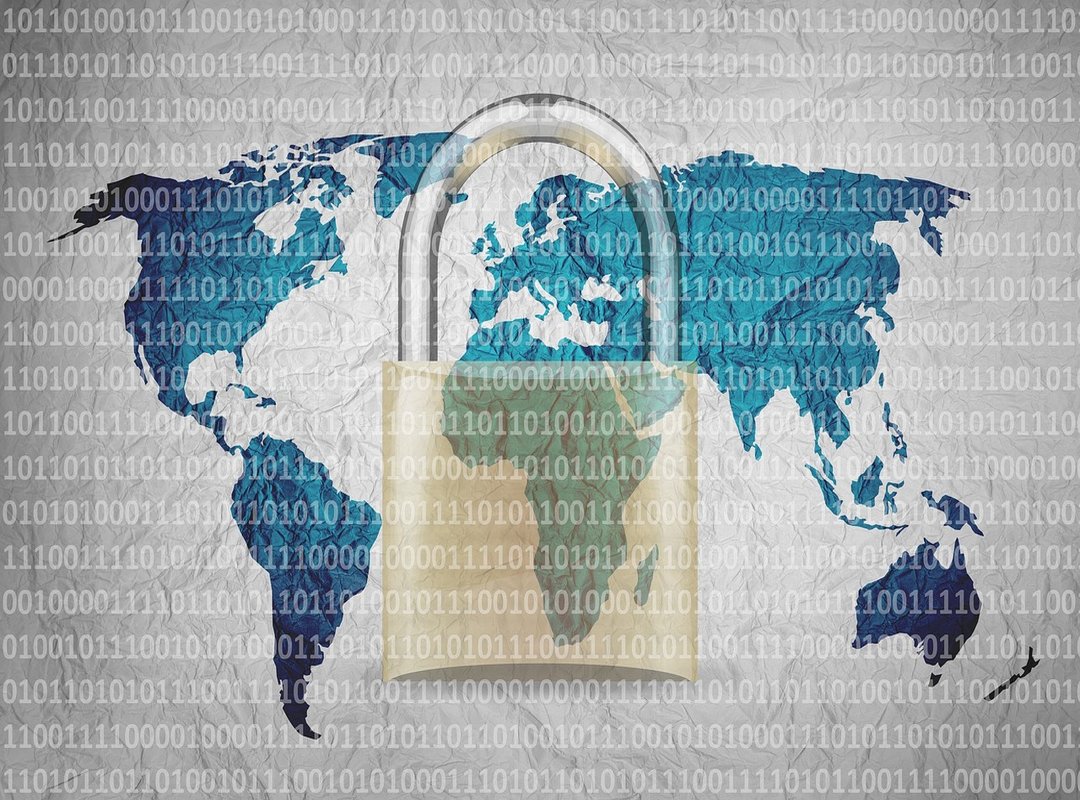
Digital privacy is more important than ever. With data breaches and leaks happening frequently, it’s crucial to take steps to protect your personal information.
Use strong, unique passwords for every account, and this means different passwords for each site. Also, enable two-factor authentication (2FA) wherever possible. 2FA adds an extra layer of security by requiring a second form of verification, like a code sent to your phone, in addition to your password.
Be extremely cautious about sharing sensitive images or information. Even with trusted individuals, there’s always a risk. Once something is out there, it can be hard to get back.
The iidamilda leak last year showed just how quickly private data can spread.
Regularly review the privacy settings on your social media accounts. Limit who can see your personal information. It’s surprising how many people leave their profiles wide open.
Audit the permissions you’ve granted to apps on your phone. Revoke access for any that don’t need it. For example, does a weather app really need access to your photo gallery?
Probably not.
Recognize and avoid phishing scams. These are common ways for hackers to gain access to your accounts. Always double-check the source of emails and messages before clicking on any links or providing personal information.
By following these steps, you can significantly enhance your digital privacy and keep your personal data safe.
Promoting a More Responsible and Ethical Online Community
iidamilda leak and similar incidents cause real, lasting harm and are serious ethical and legal issues. The solution is not to seek out the content, but to understand the damage it causes.
Refuse to share, view, or engage with non-consensually shared private material. Instead of participating in harmful trends, focus on securing your own digital life using the steps outlined in the article.
Empathy, respect, and digital responsibility are crucial in the modern world.
 Lirithia Duskquill is a Content & Tech Innovation Coordinator at Anwaytek.com, where she oversees the planning, creation, and refinement of content focused on emerging technologies, modern tech trends, and innovative gadgets. She plays a key role in transforming complex technological concepts into clear, engaging, and accessible insights for a wide audience.