
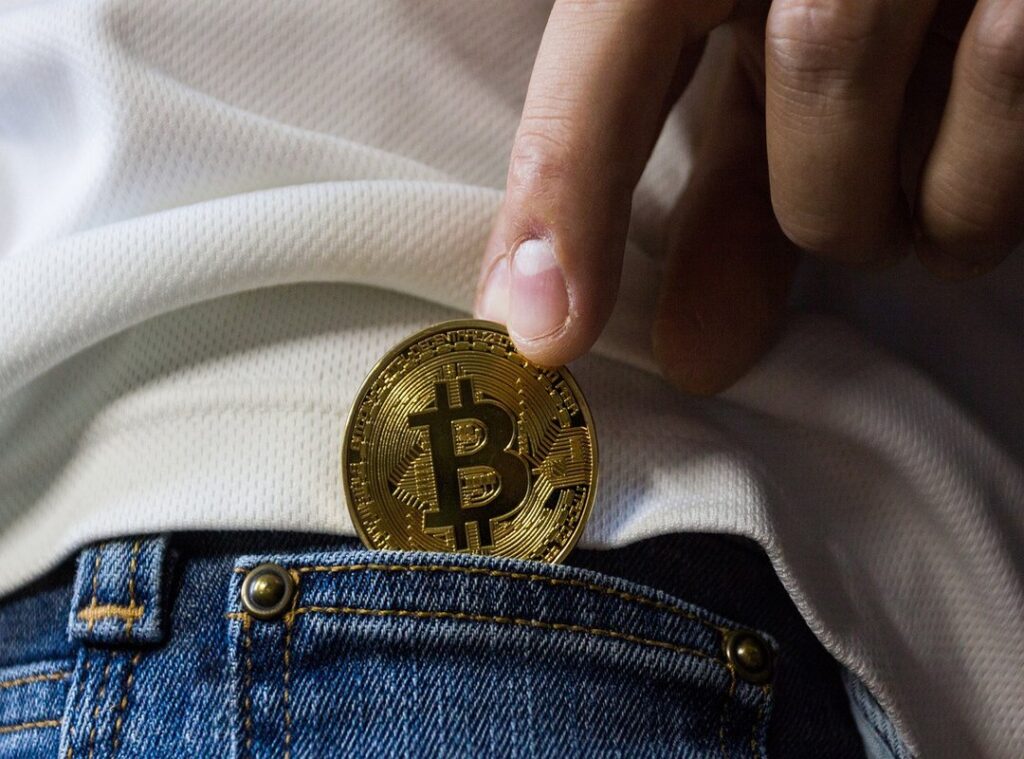
Digital currencies confuse a lot of people. I get it. You see terms like Bitcoin and Ethereum everywhere, but what do they really mean?
This article aims to break down cryptocurrency basics into simple, digestible pieces. I’ve spent years navigating this complex tech space, and I want to guide you through it.
You might be wondering why this matters. Understanding digital currency isn’t just for tech geeks anymore. It’s becoming a part of everyday life.
Whether you want to invest or simply learn how it works, this guide will help you build a solid foundation.
I’ll share my takeaways along with practical tips. You don’t need a tech background to grasp this. I promise to keep things straightforward and relatable.
By the end, you’ll feel more confident in your understanding of digital money. Ready to dive in? Let’s get started.
Demystifying Digital Currencies: What They Are and Aren’t
Digital currency is money that exists only in electronic form. It’s not like the dollars in your pocket (does anyone even carry those anymore?). This isn’t just about cryptocurrency basics.
Digital currencies are more than Bitcoin or Ethereum. They’re decentralized, often using cryptographic security to verify transactions. But how are they different from the electronic money used in bank transfers?
Well, traditional electronic money is centralized, managed by banks or governments. Digital currencies, on the other hand, operate independently (or so they claim).
Let’s talk types. We’ve got cryptocurrencies, Central Bank Digital Currencies (CBDCs), and stablecoins. Cryptocurrencies like Bitcoin are decentralized and secure.
CBDCs are issued by central banks, a digital version of your usual cash. Stablecoins are pegged to a stable asset (like the US dollar) to reduce volatility.
Now, don’t fall for the hype that digital currencies are a get-rich-quick scheme. They’re not magic money. Sure, some people have struck gold, but most of us won’t.
So, are you ready to dive deeper? If you’re thinking about Mastering Smart Home Security Systems, maybe start by understanding the digital currency space. It’s all connected.
The Engine Room: How Blockchain Powers Digital Currencies
Ever wondered how digital currencies stay in check without a central banker? Enter blockchain, the tech wizard behind the scenes. It’s basically a distributed, immutable ledger.
But let’s break it down. Picture it as a digital chain with each link being a block. These blocks are interconnected using cryptography, making them tamper-proof (like a fingerprint you can’t erase).
Here’s where it gets interesting. No single person or company controls blockchain. It’s decentralized.
This means when you make a transaction, it’s verified by a network, not a single entity. Sound secure? It is.
Once a transaction is recorded, it’s nearly impossible to alter, ensuring transparency. Everything’s public, yet secure. That’s the magic sauce making digital currencies trustworthy.
For anyone diving into cryptocurrency basics, it’s important to understand these features. They create a trust-based system without needing a middleman. It’s fast, too.
Transactions process quickly, cutting through red tape and delays in seconds. So, next time you think about digital currencies, remember, blockchain’s the unsung hero keeping it all running smoothly.
Cracking the Crypto Code: Key Terms to Know
to cryptocurrency basics. Ever heard of a wallet? It’s not just a leather pouch but a digital tool for storing and managing digital currencies.
You’ve got “hot” wallets connected to the internet (convenient but risky) and “cold” wallets, which are offline and safer.
Now, onto “private keys” and “public keys.” They’re like your digital signature. The public key is your address; the private key is your secret password. Without them, you’re locked out.
Ever wonder how digital coins get made? Enter “mining” and “staking.” Mining involves solving complex puzzles (energy hogs, aren’t they?) to validate transactions. Staking, on the other hand, is about holding coins to earn rewards and help secure the network.
Then, there are “smart contracts” (self-executing) agreements living on the blockchain. No middlemen. And let’s not forget “exchanges,” the digital marketplaces where you buy and sell these currencies.
It’s important to get familiar with these terms to hold your own in crypto chats. Speaking of tech, if you’re interested in navigating open source software, there’s more to explore. Ready to dive deeper into this wild world?
Beyond the Hype: The Real-World Impact of Digital Money
to the bold promise of digital currencies. They offer faster, cheaper international transactions. Ever try sending money abroad?

Total nightmare. Digital money cuts through that nonsense. It’s a big deal for the unbanked too.
Millions can’t access traditional banks. Digital currencies could change their lives. But here’s where it gets tricky.
Price volatility is a beast. One day you’re up, the next you’re down. That’s not ideal for a reliable currency.
And don’t get me started on regulatory headaches. Governments are still figuring out how to handle this stuff. Security?
Digital currencies are magnets for hackers. It’s not like cracking your grandpa’s piggy bank. Plus, the environmental impact is a concern.
Mining these coins eats electricity like a hungry teenager.
There are solid real-world uses though. Take remittances or supply chain management, for instance. Decentralized finance (DeFi) is reshaping lending.
It’s not all speculation and trading games. But is this the future?
Despite the noise, cryptocurrency basics are still evolving. Digital currencies are solid but flawed. Their potential is huge, but hurdles remain.
The world is watching. Are they just a tech fad or the financial future? That’s the billion-dollar question.
Your First Steps: Safely Exploring Digital Currency
So you’re ready to dip your toes into digital currency. Great! But where to start?
First, pick a reputable exchange. Don’t just dive in blindly. Do your research.
Coinbase and Binance are popular, but always check reviews and security features.
Now, let’s talk security. Your first line of defense is a strong, unique password. None of that “password123” nonsense.
Next, let two-factor authentication (2FA). It’s a hassle, but it could save your bacon. And phishing scams?
They’re lurking everywhere. Always verify links and emails before clicking.
Start small. Seriously, don’t throw your life savings into Bitcoin on day one. Make manageable investments.
It’s about learning the ropes without losing your shirt.
Cryptocurrency basics aren’t rocket science, but they do require your attention. Keep learning. The crypto world changes fast, and you don’t want to be left in the dust.
Read articles, join forums, and stay informed.
This isn’t just about making a quick buck. It’s a journey. A wild, unpredictable journey of discovery.
Be cautious, be informed, and treat every step as a learning opportunity. Ready to explore? Let’s go!
Step Into the Digital Currency World
You’ve got a solid grasp of cryptocurrency basics now. That initial intimidation? It’s time to leave it behind.
Understanding these fundamentals is key for confidently navigating this ever-changing tech space.
So what’s next? Start exploring. Research more, set up a wallet, or dip your toes into your first transaction.
The digital currency world isn’t just for experts anymore. It’s for you too.
Take action and continue your learning journey. Embrace the excitement responsibly. You have the knowledge; now use it to turn your curiosity into confidence.
Dive in and make your mark.
 Lirithia Duskquill is a Content & Tech Innovation Coordinator at Anwaytek.com, where she oversees the planning, creation, and refinement of content focused on emerging technologies, modern tech trends, and innovative gadgets. She plays a key role in transforming complex technological concepts into clear, engaging, and accessible insights for a wide audience.