
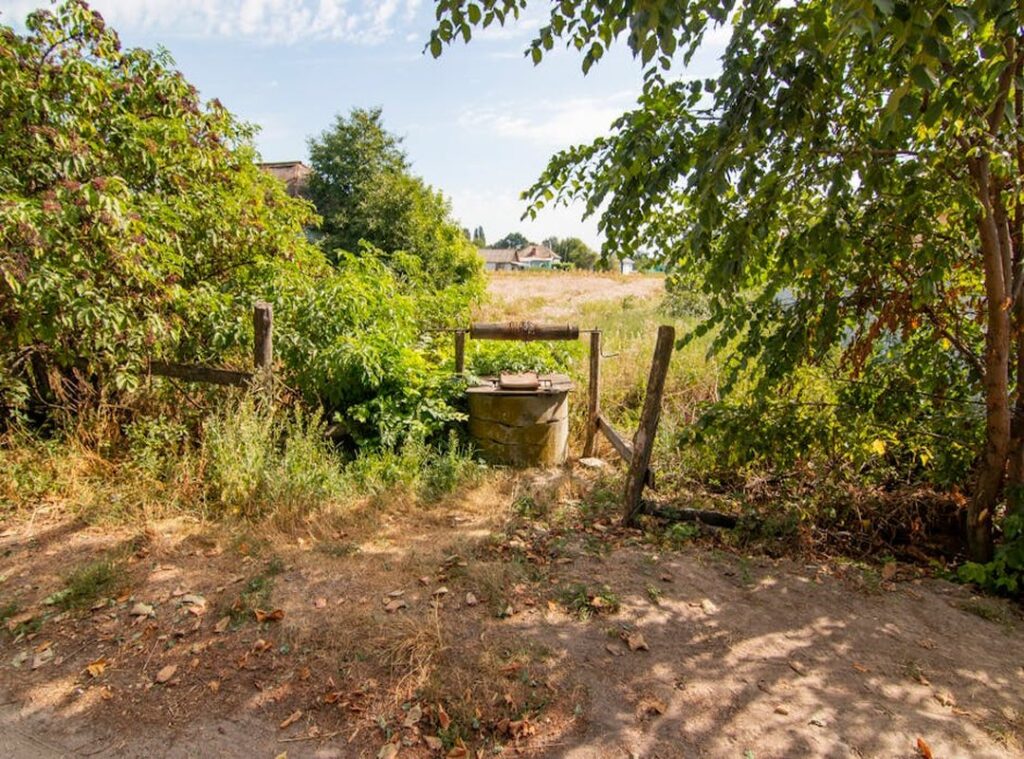
I water my garden with well water. Not city water. Not rainwater I begged the sky for.
Just plain well water. Pumped straight from the ground.
You probably do too. Or you’re thinking about it. And right now, you’re wondering: *Is this water safe for my tomatoes?
Will it burn my lettuce? Am I wasting it?*
Yeah. That’s the real question. Not some fancy chemistry test.
Just: Will my plants live or die?
Many well owners don’t know. They guess. They overwater.
They under-water. They stress.
This isn’t theory. I’ve tested pH, watched iron stain my hose bib, and killed a whole row of zucchini because I ignored flow rate. I learned the hard way.
That’s why this guide exists.
It’s built on what works. Not what sounds good on paper.
You’ll get clear steps to check your water, adjust for minerals, time your watering, and stop guessing. No jargon. No fluff.
Just what you need to grow strong plants without draining your well dry.
By the end, you’ll know exactly how to use your well water (confidently) and wisely.
And you’ll start using Private Well Appcgarden as your go-to reference for real-world well gardening.
What’s Really in Your Well Water?
I test my well water every spring.
You should too.
Not all well water is the same (yours) could be neutral, alkaline, or acidic. It might carry iron that stains your sink (and your plants). Or sulfur that smells like rotten eggs (and blocks nutrient uptake).
That’s why the first step isn’t buying fancy fertilizer.
It’s knowing what’s already in your water.
pH matters more than you think. Acidic water pulls nutrients from soil faster. Alkaline water locks them up (so) your plants starve even with good feed.
Hard water builds up salts over time. That crust on your pot rims? It’s also coating your soil.
And those white spots on leaves? That’s mineral residue baking in the sun.
Get it tested. Your local health department often does basic tests for free. Agricultural extension offices go deeper.
Especially for gardeners. Private labs give full reports, including trace minerals.
The Private Well Appcgarden tool helps you track results and match them to plant needs. I use Appcgarden to log pH shifts and adjust watering schedules. It’s not magic.
It’s just data. Finally working for you instead of against you.
Why guess when your water’s already talking?
Are you listening?
Water Your Garden Like You Mean It
I water my garden at 5 a.m. Not because I love waking up early (I don’t). But because the sun hasn’t hit the leaves yet.
And evaporation hasn’t stolen half my well water.
Deep watering once or twice a week beats sprinkling every day. Plants grow roots down, not sideways, when they have to reach for moisture. Shallow watering makes lazy roots and wastes water (especially) from a Private Well Appcgarden.
Soaker hoses? Yes. Drip lines?
Even better. They put water where it matters: at the soil line. Not on the leaves (which invites fungus) or on the sidewalk (which does nothing).
You ever see those golf courses with perfect green grass and zero puddles? That’s not magic. It’s slow, targeted water delivery.
Overwatering kills more plants than drought. Root rot doesn’t care how pure your well water is. And if your well has high iron or sodium?
Washing nutrients out of the soil just makes things worse.
Ask yourself: when was the last time you checked the soil. Not the surface, but two inches down. Before turning on the hose?
If you’re guessing, you’re probably watering too much.
Water early. Water deep. Water only when the plant actually needs it.
Not because the calendar says so.
Well Water Woes in Your Garden
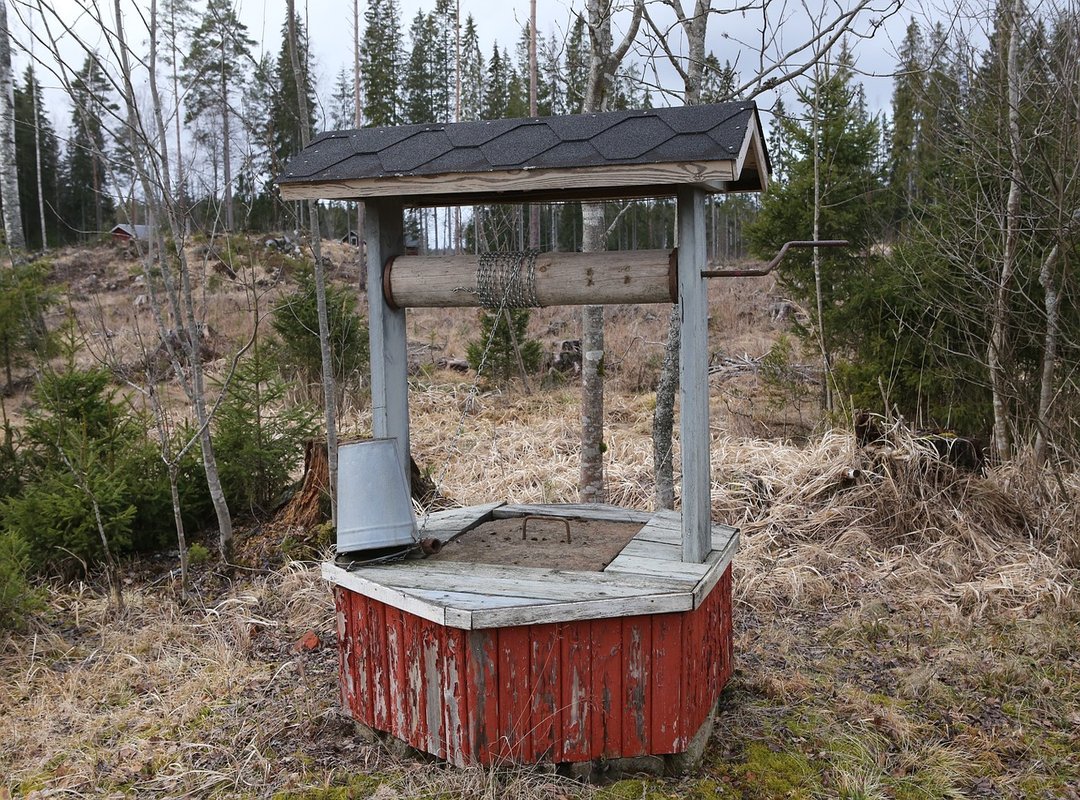
You ever taste your well water and wonder what it’s doing to your tomatoes?
I have. And I tested it. Because guessing is dumb.
Too alkaline? Your soil gets tight. Plants choke.
I added peat moss once. Worked. But honestly?
I switched to lavender and yarrow instead. They shrug it off.
High iron? You’ll see orange stains on pots and paths. (Fun fact: iron doesn’t hurt plants.
It just makes your garden look like a rust factory.)
Let the water sit overnight before watering. Or run it through an aerator if you’re serious. Simple.
Done.
Hard water builds up salts. Slowly. Silently.
Then your basil wilts for no reason.
I dug in compost every spring. Still lost a few mint plants. Now I use rainwater for seedlings (and) keep a bucket under the downspout.
Chlorine? Not usually a thing with private wells. But don’t assume.
Test. Seriously.
Contaminants hide. They don’t knock. They don’t text.
They just sit there.
You think your water’s fine because it looks clear?
So did mine. Until the lab said otherwise.
That’s why I check every year. Not because I love paperwork. But because my kale shouldn’t be absorbing mystery metals.
Want real-world fixes (not) theory? Check out the Garden Tips Appcgarden for what actually works.
Private Well Appcgarden isn’t magic. It’s just data + dirt + doing something about it.
Pick Plants That Won’t Fight Your Well Water
I’ve killed enough plants to know: well water isn’t just H₂O. It’s calcium. Iron.
Sodium. Sometimes sulfur. Often alkaline.
You test your well water (right?) Not guess. Test.
Because planting lavender in iron-heavy water is like serving coffee to someone who hates caffeine. (It just won’t work.)
Drought-tolerant plants cut your draw. Less pumping. Less wear on your pump.
Less surprise bills. I planted Russian sage and yarrow last year. Used 40% less well water than my neighbor’s roses.
pH matters. Most wells run 7.2. 8.5. That’s basic.
Acid-lovers like blueberries? They’ll yellow and sulk. Swap them for lilacs or boxwood.
They shrug off high pH.
Minerals build up. Hard water leaves crusts. Plants like asparagus and spinach handle it.
Others choke. Start small. Try five plants in one bed.
Watch them for six weeks. See what greens up (and) what crisps.
Your soil isn’t separate from your water. They talk. Constantly.
Test both. Then pick plants that listen.
I ignore “pretty” until I know the numbers. You should too. What’s the point of gorgeous blooms if they’re gasping by July?
You don’t need a lab degree. Just a $20 test kit and ten minutes. Then go plant something that lives.
Not just survives.
For more real-world tips, check out the Backyard Tips Appcgarden.
It’s where I go before I dig.
Your Well Can Grow Real Plants
I’ve done it. My well waters tomatoes, lavender, and even thirsty zucchini (without) dropping my water level or killing the soil.
You don’t need city water to grow something beautiful. You just need to know what’s in your water. Test it first.
Not later. This season.
Because guessing ruins gardens. Hard water clogs drip lines. High sodium stunts seedlings.
Iron stains everything brown. You feel that frustration already. You’re tired of watering and watching things wilt.
So skip the guesswork. Get your well water tested. Today.
It takes one call. One bottle. Less than $50.
Then pick plants that match your water (not) some generic list. Water deep. Water slow.
Water when the soil says so. Not the calendar.
This isn’t about perfection. It’s about working with your well. Not against it.
And Private Well Appcgarden helps you do exactly that.
Grab a test kit. Send it in. Then plant like you mean it.
 Bronten Emberlance is a Senior Tech Analyst & Editorial Strategist at Anwaytek.com, where he specializes in analyzing emerging technologies, evaluating innovative gadgets, and shaping high-impact editorial content. With a keen eye for detail and a deep understanding of modern tech ecosystems, he provides insightful perspectives on industry developments and future trends.