
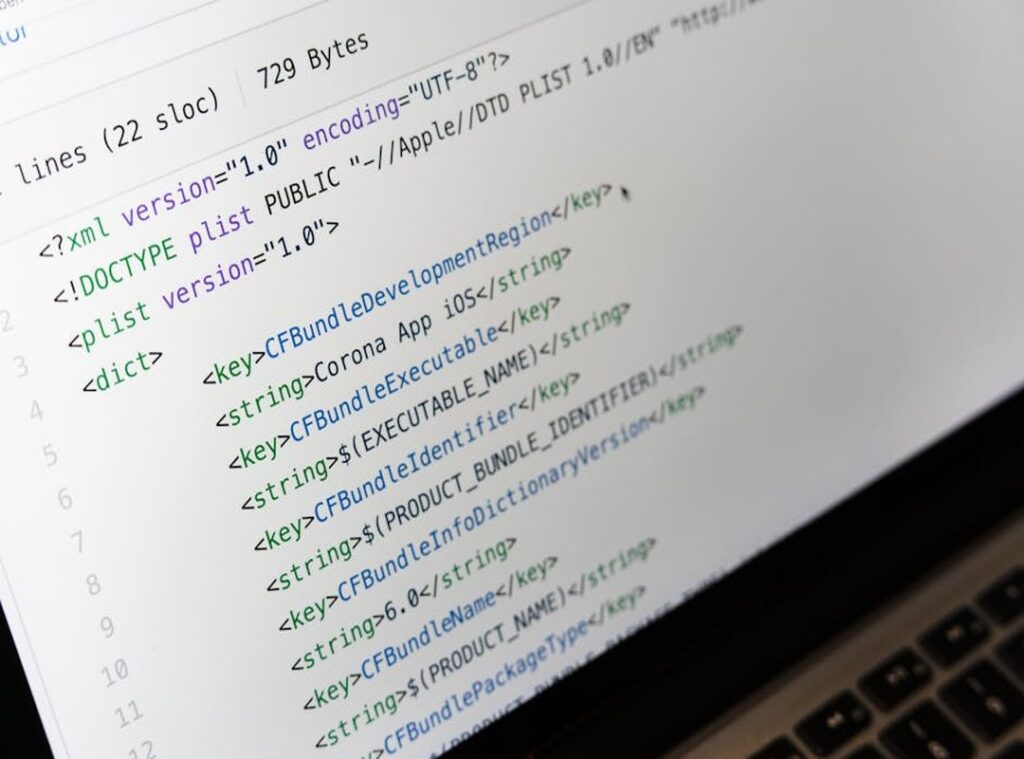
I used to stare at the phrase Software Codes Unitemforce and feel like I was reading a secret code.
You probably have too.
It sounds technical. Heavy. Like it belongs behind a firewall or in a lab coat.
But it’s not.
Software code is just instructions. Plain English turned into logic that machines follow.
Unitemforce? It’s built from those same instructions.
So why does “Software Codes Unitemforce” feel so confusing?
Because nobody explains it like you’d explain it to a friend over coffee.
No jargon. No fluff. Just what’s happening under the hood.
You’re not expected to write code to use Unitemforce.
But knowing how it works changes everything.
You’ll stop guessing.
You’ll start understanding why things behave the way they do.
This guide cuts through the noise.
It breaks down what software code actually is. Especially as it relates to Unitemforce.
No theory. No filler.
Just clear, direct explanations.
By the end, you’ll know exactly what Software Codes Unitemforce means.
And why that knowledge matters when you’re trying to get real work done.
What Software Codes Actually Are
Software codes are instructions. Plain and simple.
They tell computers what to do. Nothing more. Nothing less.
I write them. You use things built from them. Every app.
Every website. Every button that works.
Think of code like a recipe. A chef follows steps to bake a cake. A computer follows code to show you a photo or add two numbers.
(Yeah, even your calculator runs on code.)
These instructions live in languages like Python or Java. You don’t need to learn them to get it. Just know they exist (like) different dialects for the same job.
Code makes things happen.
Show this picture.
Add these numbers.
Save this file.
That’s it. No magic. No mystery.
Some people overcomplicate it. They say “algorithms” or “logic gates” or drop buzzwords like it’s a party trick. (It’s not.)
You don’t need jargon to understand that code is action. It’s cause and effect. Type it.
Run it. Something happens.
The Unitemforce platform builds on that idea (clean,) direct, working code. Not theory. Not slides.
Real Software Codes Unitemforce.
You’ve used code today. You just didn’t see it. Did your phone light up?
Code. Did a message send? Code.
Did Netflix load? Code.
It’s everywhere. And it’s simpler than you think.
Unitemforce Is Just Code
I’ve used Unitemforce for over two years. It’s a tool. Not magic.
Not AI wizardry. Just software.
It runs because of lines and lines of instructions (what) we call Software Codes Unitemforce. That’s it. No mystery.
No smoke.
You click a button. You type a note. You drag something left.
Unitemforce reacts. Because its code tells it exactly what to do next.
Say it helps you manage tasks. Then the code says: when someone clicks “+ New Task”, make a new entry. When they check the box, flip the status to “done”.
When they ask for “today’s tasks”, pull only those with today’s date.
No code? No app. No careful logic?
It crashes. Or does nothing. Or deletes your work.
(Yes, I’ve seen that.)
You think it’s smart? It’s not. It’s obedient.
It follows orders (down) to the semicolon.
Some people treat tools like they’re alive. They’re not. They’re built.
By people. With intent. And errors.
(I’ve shipped buggy code too.)
Not at your browser or Wi-Fi.
So when Unitemforce works, thank the developers who wrote clean, testable, readable code. When it doesn’t? Look there first.
It doesn’t guess. It executes. Every time.
Without opinion. Without mercy.
That’s how software works.
That’s how this software works.
What’s Actually Running Unitemforce?

I click a button. It works. That button isn’t magic.
It’s code.
Code scans your saved items. You save a note? Code writes it to storage.
Every feature in Unitemforce ties to a specific set of instructions. Lines of logic that tell the app what to do, when, and how. You type in a search bar?
You open a report? Code pulls the right data and formats it.
It’s not one giant blob of code. It’s separate pieces (some) handle buttons, some manage data, some keep things fast. They talk to each other.
They fail sometimes. (That’s why you’ll see Error Codes Unitemforce when something breaks.)
Code saves what you enter. It retrieves it later (fast,) accurate, in order. It doesn’t guess.
It follows rules you never see.
Think of it like wiring in a house. Flip a switch. Light turns on.
Same idea (just) with data instead of electricity.
Some code runs in your browser. Some lives on servers far away. Both have to agree on what “save” or “search” actually means.
If the code’s messy, the app stutters. If it’s well-built, you don’t notice it at all. That’s the goal.
You don’t need to read the code. But you should know it’s there. Doing real work.
Not guessing. Not hoping. Just running.
Why “Software Codes Unitemforce” Isn’t Just for Coders
You don’t need to write code to get it.
I didn’t either. And I still fixed things.
Understanding the basics changes how you see software. It stops feeling like magic. It starts feeling like a tool you can actually use.
When something breaks, you stop thinking “Why is this broken?”
You start thinking “What part isn’t working right?”
That shift matters. (Spoiler: most bugs are small logic slips. Not black-box disasters.)
New features? They’re not dropped from the sky. Someone wrote new lines.
Tested them. Merged them. Knowing that helps you guess why updates take time (or) why some things change fast and others don’t.
You’ll describe problems better. “I clicked X and got Y instead of Z” beats “It’s broken.”
That saves time. For you. For support.
For everyone.
It builds real confidence. Not blind trust. Not fear.
Just calm knowing: there’s logic behind the screen. Even when it fails.
You’ll stop blaming yourself when software stumbles. You’ll ask smarter questions. You’ll spot patterns.
(Like when the same button fails after every update.)
This isn’t about becoming a developer.
It’s about stopping the guessing game.
Want to try it out?
Whrer Can I Get Unitemforce
You Get It Now
I remember staring at the phrase Software Codes Unitemforce and feeling stuck. Like it was code about code. It’s not.
It’s just instructions. Lines that tell a machine what to do. Nothing mystical.
Nothing locked away.
You use tools built on those same lines every day. Your calendar. Your bank app.
That thing you just clicked to open this page. All running on plain, written-down logic.
That confusion you felt? Gone. Because now you know where it lives.
Not in some secret vault, but in real files, real people, real choices.
So next time you open Unitemforce (or) Slack or Excel or your toaster’s app (don’t) just click. Look. Ask: What’s the instruction behind this button?
That question changes everything.
Go open Unitemforce right now. Not to “use” it. To see it.
Find one feature. Trace how it starts, what it does, where it ends.
You already have the lens.
Now point it.
 Bronten Emberlance is a Senior Tech Analyst & Editorial Strategist at Anwaytek.com, where he specializes in analyzing emerging technologies, evaluating innovative gadgets, and shaping high-impact editorial content. With a keen eye for detail and a deep understanding of modern tech ecosystems, he provides insightful perspectives on industry developments and future trends.