I used to scroll through tech news and feel dumber after every click.
You too?
It’s not your fault. The stuff is everywhere. But most of it is either too technical or too shallow.
Or both.
You just want to know what matters. Not get buried in jargon or hype. And you don’t have time to fact-check every headline.
That’s why I built this guide. Not to overwhelm you. But to cut through the noise.
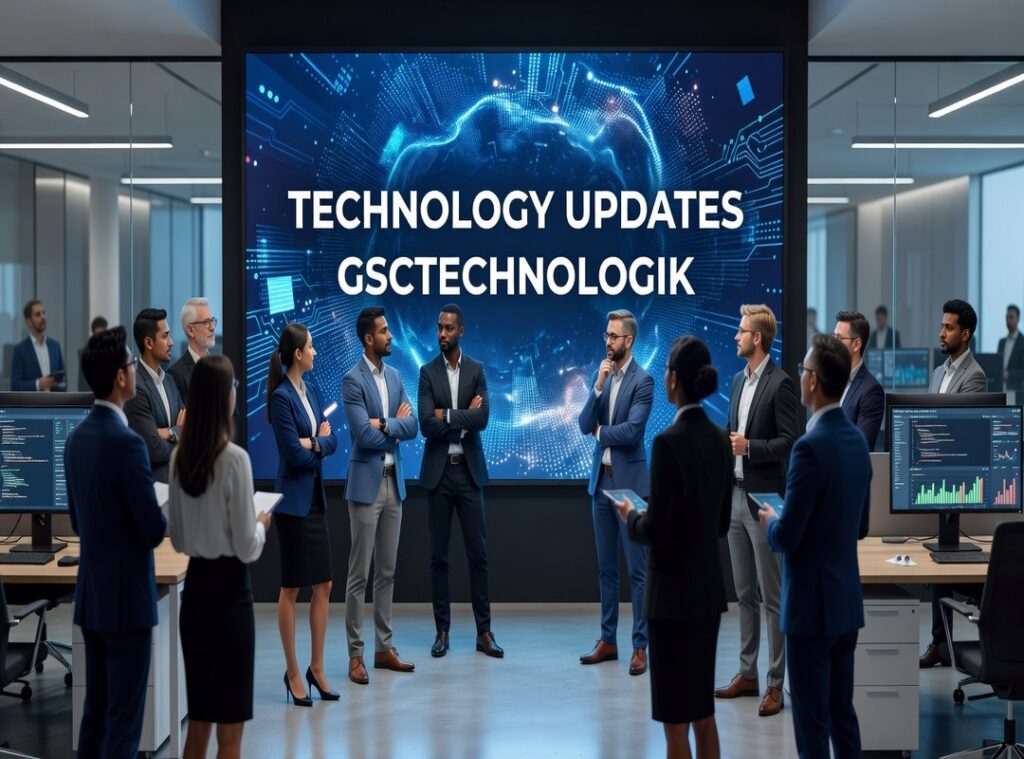
Tech News Gsctechnologik is the style that works (clear,) grounded, no fluff.
No pretending you’re an engineer.
No pretending you don’t care.
I’ve tested dozens of sources. Some are fast but wrong. Some are right but unreadable.
This article shows you exactly which ones land in the sweet spot.
By the end, you’ll know where to go daily. What to skip. And how to tell real news from press release dressed as insight.
You’ll walk away with a short list. One you can trust. And one you’ll actually use.
Why You Should Care About Tech News (Yes, You)
I check my phone before I brush my teeth.
You probably do too.
That’s tech news already affecting your day.
It’s not just about new iPhones or AI chatbots. It’s about whether your smart thermostat gets hacked. It’s about which app actually deletes your data when you quit.
Did you know the last update to your video conferencing app changed how it shares your microphone? You didn’t. Neither did most people.
That’s why Tech News Gsctechnologik matters (and) why I read Gsctechnologik regularly.
Think about your grocery delivery app. A small privacy policy change could mean your location stays on even when the app’s closed. Would you still use it?
What about that “free” weather app asking for your contacts?
Why does a weather app need your contacts?
You don’t need a computer science degree.
You just need five minutes a week.
Is your bank using voice verification now? Does your kid’s school app store photos in the cloud? Are your smart lights listening when they’re off?
These aren’t edge cases.
They’re your life.
Ignoring tech news is like ignoring traffic laws while driving.
You’ll get by (until) you don’t.
What Real Tech News Feels Like
I read tech news every day.
Most of it leaves me confused or annoyed.
Good tech news tells you what happened. And why it matters to you.
Not just “AI chip launches” but “this chip means your laptop battery lasts 3 hours longer.”
A headline is not an article. It’s a door. Walk through it and you better find answers (not) jargon, not hype, not guesses dressed as facts.
Clickbait says “Apple Just Changed Everything!!!”
Real reporting says “Apple added a new sensor (here’s) what it does, and why most people won’t notice.”
Rumors spread faster than facts. I ignore them until two trusted sources confirm. You should too.
Jargon is fine (if) it’s explained.
“Neural net” means nothing unless you say “it’s how your phone guesses your next text.”
Tech News Gsctechnologik gets this right.
It strips away the noise and shows you the thing itself.
You ever finish an article and think Wait (what) was the point?
Yeah. That’s bad tech news.
Look for writers who pause to define terms. Who admit when something’s still unclear. Who write like they’re talking to a smart friend.
Not lecturing a class.
If it feels like homework, close the tab. Your time is real. Your attention isn’t free.
Where Tech News Actually Makes Sense

I scroll past half the tech news I see.
It’s either too shallow or too jargon-heavy.
You need sources that explain things (not) just report them.
Dedicated tech websites work if they write for humans.
Blogs can be great (if) the writer knows how to break down a chipset or an API without sounding like a textbook.
YouTube channels? Some nail it. Others just read press releases with flashy thumbnails.
Social media accounts surprise me sometimes.
A single tweet from the right engineer can explain more than a 2,000-word article.
Look for consistency.
Not just frequency (clarity) over time.
Try three sources this week.
Drop the one that makes you reread sentences twice.
You want reviews that tell you why a laptop overheats. How-to guides that don’t assume you know what “kernel panic” means. Industry updates that skip the fluff and name names.
That’s why I check Gsctechnologik when I need straight talk on new tools or weird bugs.
No hype. No filler. Just what changed.
And what it actually means for you.
Do you trust the source. Or just the headline?
Some sites update daily but never define terms.
Others publish once a month and still teach you something real.
Depth isn’t about word count.
It’s about whether you walk away understanding (not) just informed.
Find one source that feels like a conversation.
Then stick with it until it stops delivering.
Tech Jargon? Just Say What It Means
I used to nod along in meetings while people tossed around words like “cloud” and “5G.”
I had no idea what they meant.
So I looked them up.
AI is not robots taking over. It’s software that spots patterns. Like how Netflix guesses what you’ll watch next.
Cloud computing means your files live on someone else’s computer, not yours. (Yes, really.)
5G is faster phone service. Not magic, just more radio waves.
Cybersecurity is locking your digital doors so strangers can’t walk in.
You don’t need a degree to get this. You just need to ask. Or Google it.
Right now.
News outlets skip definitions because they assume you know.
They’re wrong.
Some sources actually explain things as they go. Find those. Bookmark them.
If a term trips you up, pause. Type it + “simple definition” into Google. It takes 12 seconds.
Ignore the rest.
Tech News Gsctechnologik isn’t about sounding smart.
It’s about understanding what’s happening (to) your job, your phone, your data.
Confused by “zero trust” or “edge computing”? Good. That means you’re paying attention.
Don’t wait for someone to explain it “properly.”
You decide what counts as proper.
Start small. Pick one term this week. Learn it cold.
Then go read something else (and) see if it clicks.
Want real talk on tech terms without the fog? Check out Tech Geeks Gsctechnologik.
You Already Know What to Do Next
Staying up on tech news isn’t about grinding through noise.
It’s about picking one thing that works for you.
You’ve felt the frustration. Scrolling, skimming, walking away confused.
That stops now.
I stopped chasing every headline years ago. What stuck was choosing one source I trusted and checking it at the same time each day. No more overwhelm.
Just clarity.
You don’t need ten newsletters.
You need one that speaks your language. And fits your schedule.
Tech News Gsctechnologik is where you start.
Not tomorrow. Not after “getting organized.” Now.
Open your phone right now. Pick one new source from the list we covered. Read one story before bed tonight.
That’s it.
That’s how you go from lost to confident.
You wanted a way in.
Here it is.
Hit pause on the chaos. Start with one source this week. Do it today.
 Bronten Emberlance is a Senior Tech Analyst & Editorial Strategist at Anwaytek.com, where he specializes in analyzing emerging technologies, evaluating innovative gadgets, and shaping high-impact editorial content. With a keen eye for detail and a deep understanding of modern tech ecosystems, he provides insightful perspectives on industry developments and future trends.