

I’ve watched people roll their eyes at the phrase Tech Geeks Gsctechnologik.
Same look they give when someone says “blockchain” or “cloud native” at a dinner party.
You’ve heard it. Maybe you Googled it. Maybe your coworker dropped it in a meeting and no one asked what it meant (but you wanted to).
Here’s the truth: it’s not a cult. It’s not a secret handshake. It’s not even a company.
At least not the kind with a lobby and free snacks.
It’s a label.
A messy, overused, sometimes meaningless label. Until you know what’s behind it.
I’ve spent years translating tech-speak for real people. Not engineers. Not investors.
People who just want to know if this thing affects their phone bill, their job, or their kid’s school tablet.
So let’s cut the jargon. Let’s skip the hype. Let’s talk about what Tech Geeks Gsctechnologik actually means (and) why it matters to you right now.
By the end, you’ll know what it is. You’ll know why people use it. And you’ll decide for yourself whether it deserves your attention.
Who Even Is a Tech Geek?
A tech geek is someone who loses track of time reading about new processors or debugging a script.
They’re not just “good with computers.” (They might hate Windows Update as much as you do.)
I know a guy who rebuilt his router’s firmware just to get better Wi-Fi range.
Another friend spent a weekend soldering a custom keyboard because the keys didn’t feel right.
Tech geeks care about how things work. Not just what they do.
They ask “why” before “how.”
They’ll fix your phone, explain DNS in two sentences, and then show you how to automate your coffee maker.
It’s not about owning every gadget. It’s about curiosity that won’t shut up. Problem-solving isn’t a skill for them (it’s) reflex.
You’ve seen them: the person who reads release notes like novels, or explains Bluetooth pairing like it’s gossip.
They don’t wait for tutorials (they) break things first, then learn.
If that sounds familiar, you’re probably one. Or you know one.
And if you’re digging into what makes this mindset tick, Gsctechnologik maps it out plainly.
Tech Geeks Gsctechnologik isn’t a label. It’s a habit. You either recognize it.
Or you’re already doing it.
What Is Gsctechnologik?
Gsctechnologik isn’t a dictionary word. It’s a name. A made-up one.
Like “Verizon” or “Xerox”.
I’ve seen names like this pop up when engineers or founders want something that feels technical but isn’t already taken.
GSC? Could be “Global Systems Core”. Could be “Green Software Collective”.
Could just be three letters they liked the sound of. (Technology names don’t need backstories. They need availability.)
“Technologik” is the giveaway. It swaps “-y” for “-ik” to lean into logic, precision, systems thinking. Not just tech. how tech works.
You’ve seen this before. “Logic” in the name means they care about structure. Not flash. Not buzzwords.
The wiring underneath.
Companies do this to skip the explanation. You see “Gsctechnologik” and think: these people write code, debug infrastructure, argue about architecture diagrams. Not wrong.
Tech Geeks Gsctechnologik (yeah,) that phrase fits. It’s not marketing fluff. It’s a vibe check.
Does it mean anything official? Probably not yet. Names get meaning from what people do with them.
So ask yourself:
When you hear a name like this, do you lean in. Or scroll past?
What would make you stop?
When Tech People Actually Talk to Each Other
I’ve watched teams fail because everyone holed up in their own corner.
Then I saw what happens when Tech Geeks Gsctechnologik work side by side.
They share code. They argue about architecture. They fix bugs before users even notice.
No gatekeeping. No jargon walls. Just real talk about what works.
And what doesn’t.
You ever try updating legacy software alone? Yeah. It’s a mess.
But three people with different toolkits? They rebuild it in six weeks.
That’s how you get cleaner apps. Faster servers. Fewer crashes at 3 a.m.
Not magic. Just shared focus and zero tolerance for sloppy shortcuts.
Want proof? Check the latest Tech News Gsctechnologik (not) press releases, just what shipped last month.
Users win when engineers stop competing and start building together. Better uptime. Simpler interfaces.
Tools that don’t fight you.
I’ve seen support tickets drop 40% after a team started pairing daily. No fancy tools. Just whiteboards and coffee.
This isn’t about titles or degrees.
It’s about showing up ready to listen, break things, and fix them (fast.)
You think your stack is too weird to collaborate on? Try it anyway. Most “unique” problems are just old ones wearing new hats.
Who Fixes Your Tech So You Don’t Notice
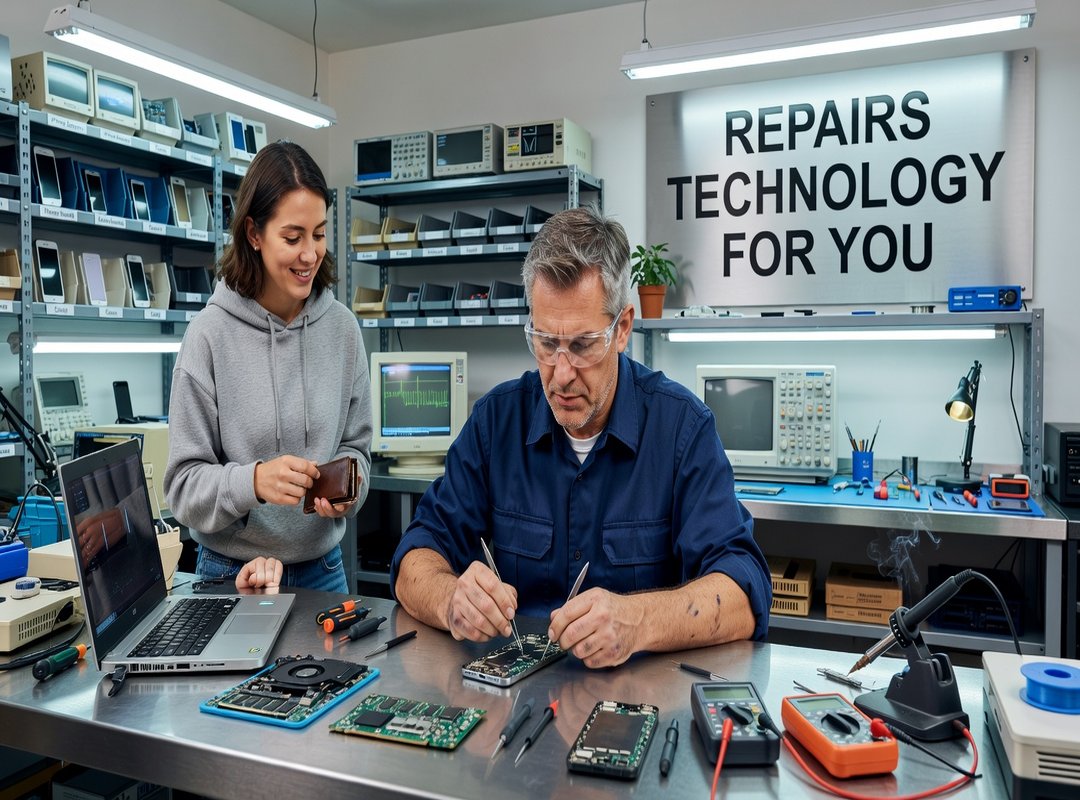
I use my phone every morning. It opens fast. The weather app loads before I finish pouring coffee.
That’s not magic.
It’s people (like) the Tech Geeks Gsctechnologik. Writing code no one sees.
You tap “order groceries.”
The site doesn’t crash. Your payment goes through. That’s them testing servers, patching bugs, tuning databases.
Your video call stays clear even when your neighbor starts vacuuming. They built the noise-canceling filters. They tuned the bandwidth handoff between Wi-Fi and cell towers.
Gaming feels smooth? They optimized the network stack so latency drops below 30ms. No lag.
No stutter. Just play.
You don’t see them.
You feel their work in how little you swear at your devices.
They make security invisible too. Auto-updates that don’t break anything. Passwords that stay locked unless you say so.
This isn’t theory. It’s why your smart thermostat learns your schedule. Why spam stays out of your inbox.
Why your bank app asks for a fingerprint. Not a 12-character password.
None of it works without constant, quiet fixing.
Want to see what they’re tweaking right now?
Check the Tech Updates Gsctechnologik page.
You Get It Now
I used to stare at Tech Geeks Gsctechnologik and wonder what the hell it meant. You did too. That confusion?
It’s real. And it’s exhausting.
Now you know it’s not jargon. It’s a signal. A signal for the people who build, break, and rebuild tech.
Not for clout, but because they can’t stop asking what if.
That matters. Because when you understand who stands behind the code, the hardware, the wild ideas. You stop fearing the tech.
You start trusting it. Or questioning it. Or building your own version.
Curiosity isn’t optional here.
It’s how you spot the real work from the noise.
So go deeper. Read one article about a small team shipping something weird. Follow a dev on social media who explains things like a human.
Or find a local group pushing tools that actually help people (not) just investors.
You came here confused. Now you’re armed. Do something with it.
 Bronten Emberlance is a Senior Tech Analyst & Editorial Strategist at Anwaytek.com, where he specializes in analyzing emerging technologies, evaluating innovative gadgets, and shaping high-impact editorial content. With a keen eye for detail and a deep understanding of modern tech ecosystems, he provides insightful perspectives on industry developments and future trends.