I used to think coding was for people who spoke in binary. Turns out? It’s not.
You’re here because you want to start.
But every time you open a tutorial, it feels like walking into a library where all the books are in Sanskrit.
This Coding Guide Otvpcomputers is for you. Not for engineers. Not for college kids with four years of CS.
For you (the) person who just wants to know what “console.log” actually means.
Coding isn’t magic. It’s typing instructions for a machine that follows them exactly. And yes.
You can learn it. Not someday. Now.
I’ve watched too many beginners quit before writing their first line. They get stuck on setup. Or syntax.
Or imposter syndrome. So this guide skips the noise. No jargon.
No theory dumps. Just steps.
You’ll know what language to pick first. You’ll know where to type your code and see it run. You’ll know what to do after this article ends.
No fluff. No gatekeeping. Just a real path forward.
By the end, you’ll have your first working program (and) a plan for what comes next.
What Coding Really Is (and Why It’s Not Magic)
Coding is giving clear instructions to a computer.
Like writing a recipe for a toaster that only understands exact steps.
I taught my nephew to make a “hello world” program in ten minutes. He typed two lines. The screen lit up.
His face did too. (Turns out computers don’t judge your spelling (just) your syntax.)
You don’t need a degree to start. You do need patience. And the right Coding Guide Otvpcomputers, which I found at Otvpcomputers.
What can you build? Websites. Games.
It’s plain English. No jargon. Just what works.
Tools that auto-sort your messy desktop. You can even write code to find your lost AirPods. (I did.
It took three tries.)
Coding trains your brain to break big problems into small ones.
That skill shows up when you’re debugging your grocery list (or) your kid’s science fair project.
Jobs? Yes, many need it. Even if you’re not coding full-time.
Accountants use Python to clean spreadsheets. Teachers automate grading. Nurses track patient data with simple scripts.
You’re not learning to talk to machines. You’re learning to think clearer. And that starts with one line of code.
Where to Start With Code
I picked Python because it looked like English.
Not perfect English (but) close enough that I could read my own code and understand it.
You’ll see a dozen languages listed on every “best for beginners” list. Most of them are fine. But Python is the one I’d hand to my kid, my neighbor, or myself again.
No hesitation.
It runs websites. It analyzes spreadsheets. It even controls robots (I watched someone blink an LED with three lines of Python last week).
Scratch works if you’re ten and dragging blocks around.
JavaScript gets you clicking buttons and changing text on a webpage fast. But it’ll also throw confusing errors at you before lunch.
Don’t chase five languages at once. Pick one. Stick with it for three months.
Build something dumb like a calculator or a to-do list.
Ask yourself: What do I want to make? A game? A website?
A tool that saves you time? If you’re not sure yet. Go with Python.
It covers more ground than people admit.
This isn’t about being “future-proof.”
It’s about writing real stuff without fighting syntax for six weeks.
The Coding Guide Otvpcomputers helped me skip the fluff and start typing. No theory first. Just code.
Then learn why it worked.
You’ll switch languages later. Everyone does. But starting simple keeps you from quitting on day four.
Your Coding Setup Is Simpler Than You Think
You need a computer and free software. That’s it.
I started on a ten-year-old laptop with no budget. You don’t need speed or flash.
A text editor is where you type code. Not Word. Not Google Docs.
Just a clean place to write lines like print("hello").
VS Code is what I use. It highlights colors in your code so if looks different from "text" (it helps a lot). You can add tools later (like) Python support.
With one click.
An interpreter runs your Python code. A browser runs HTML, CSS, and JavaScript. That’s the difference between writing and doing.
Want Python? Go to python.org. Click “Download Python.” Run the file.
Check “Add Python to PATH” (yes, do this. It saves headaches).
You’ll write code in VS Code. Then run it in Terminal or Command Prompt. Or just hit a button in VS Code if you install the right extension.
This isn’t theory. This is what you’ll do tomorrow morning.
The Codes otvpcomputers page shows real examples you can copy and run right now.
No setup wizard. No credit card. No confusion.
You’re not building a rocket. You’re typing and watching it work.
That’s how every coder starts.
The Coding Guide Otvpcomputers skips the fluff and gets you typing fast.
What’s stopping you from opening VS Code right now?
Your First Lines of Code
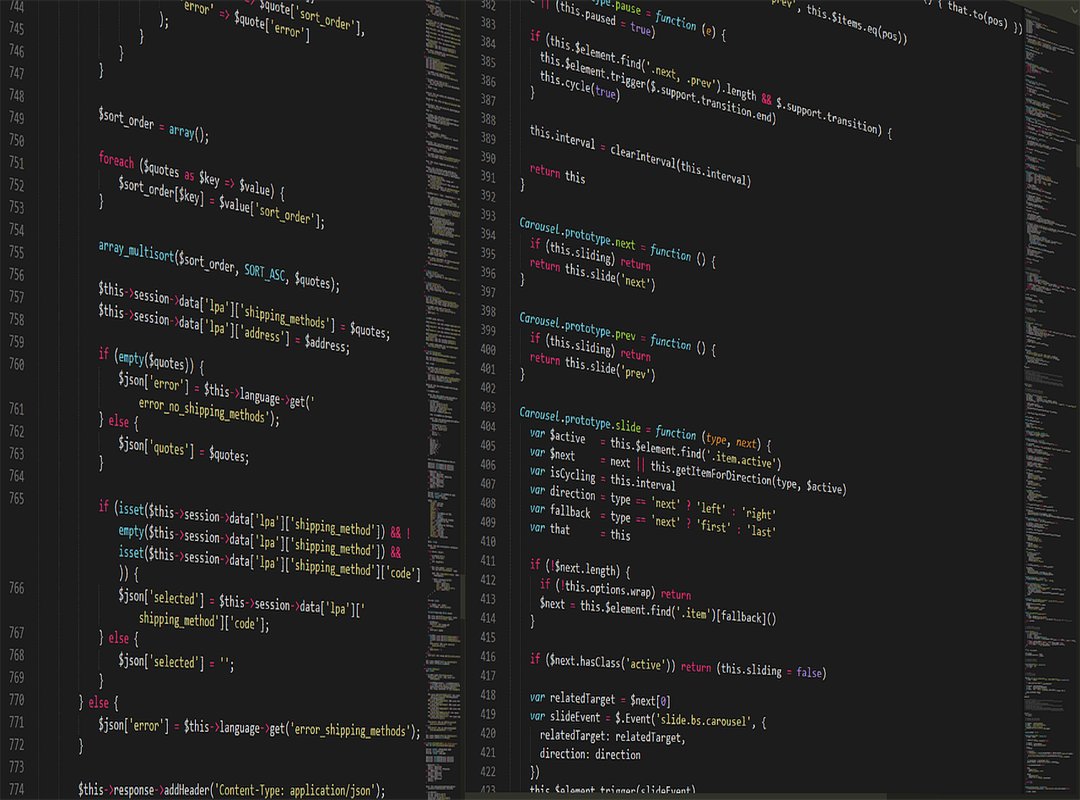
I typed print("Hello, World!") and hit enter. That’s it. That’s your first program.
print means show this on the screen. The stuff inside the quotes is what you see. Nothing else matters right now.
Open a plain text editor (Notepad, TextEdit, VS Code. Doesn’t matter). Type that one line.
Save it as hello.py. Yes, the .py part matters.
Open your terminal or command prompt. Get through to that folder. Type python hello.py and press Enter.
You’ll see Hello, World! stare back at you. It feels dumb. It is dumb.
And it works.
Now change "Hello, World!" to "Hi, I’m coding" and run it again. See how fast it updates? That’s not magic.
That’s control.
Try print("Hi") (no) comma, no exclamation. Still works. What happens if you forget the quotes?
Go ahead. Break it.
This is how you learn. Not by reading. By typing, saving, running, breaking, fixing.
The Coding Guide Otvpcomputers starts here (not) with theory, but with output on your screen. You just did real work. So do it again.
Keep Coding. Just Keep Going.
I practice every day. Even fifteen minutes counts. You will forget things.
That’s fine. You’ll remember them faster next time.
Free resources work. Codecademy. freeCodeCamp. Khan Academy.
YouTube. Pick one. Try it.
Stop if it feels wrong. Try another.
You will get stuck. Everyone does. Ask questions in forums.
Join Discord servers. Post on Reddit. People help.
(Most of them do.)
Build something small. A to-do list. A weather checker.
A joke generator. Anything. You learn by doing.
Not watching.
Mistakes are not failure. They’re how your brain maps the code.
Want real talk about what actually works? I wrote it all down in my Coding Advice Otvpcomputers.
Your First Line of Code Awaits
I started with print("hello"). You can too. Coding is giving clear instructions.
Solving real problems. Nothing fancy.
You already know enough to begin.
Coding Guide Otvpcomputers gave you that start.
Stuck? Overwhelmed? Just open Python right now.
Type one line. Run it. See what happens.
What’s stopping you from hitting enter this second?
 Bronten Emberlance is a Senior Tech Analyst & Editorial Strategist at Anwaytek.com, where he specializes in analyzing emerging technologies, evaluating innovative gadgets, and shaping high-impact editorial content. With a keen eye for detail and a deep understanding of modern tech ecosystems, he provides insightful perspectives on industry developments and future trends.