
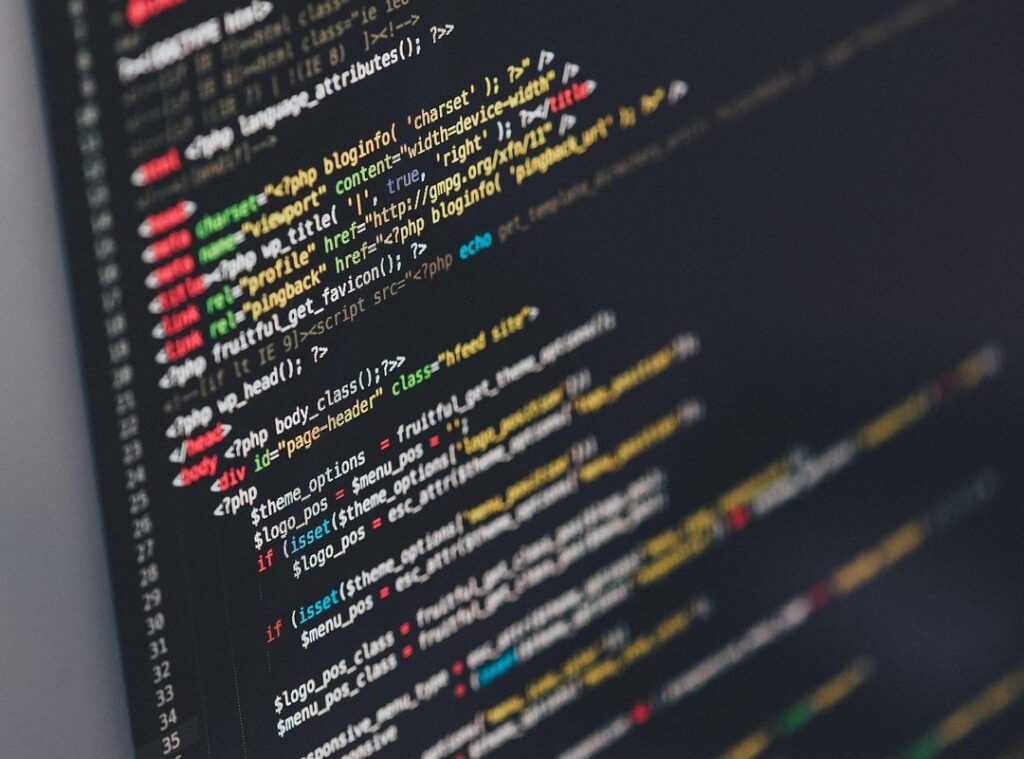
I write code. I break it. I fix it.
I’ve done this for years. And I’m tired of advice that sounds good but fails at 2 a.m. when your app crashes and you’re staring at a stack trace.
You want real help. Not theory. Not fluff.
You want to ship faster. Understand your own code six months from now. Stop Googling the same error twice.
That’s why I built Otvpcomputers Coding Advice From Onthisveryspot.
It’s not another list of “best practices” written by someone who hasn’t touched production in a decade.
This is what worked. What didn’t. What saved me hours.
Or cost me days.
We’ll walk through actual problems: naming variables, debugging without rage, writing functions that don’t surprise you later.
No jargon. No lectures. Just clear steps you can use today.
You’ll learn how to spot messy code before it bites you.
How to write less and do more.
How to feel confident. Not lucky. When you hit “roll out.”
You’ll leave with a roadmap. Not hype.
Set Up Your Tools Before You Write Code
I wasted three days debugging a missing semicolon.
Turns out my editor wasn’t highlighting syntax errors.
That’s why I point every beginner to Otvpcomputers Coding Advice From Onthisveryspot first. Not tutorials. Not theory.
Just what works.
VS Code is the best place to start. It’s free. It’s fast.
It doesn’t pretend to be something it’s not. Sublime Text works too. But skip Atom.
It’s dead. (RIP, 2018.)
Install Prettier and ESLint right away. They auto-fix messy code and yell at you before you run it. No more “why does this break in the browser but not here?”
Make a folder called projects. Inside it, make one folder per project. Name them todo-app, not js-thing-2.
You’ll thank yourself later.
Learn these five command-line commands: cd, ls, mkdir, code ., node index.js. You don’t need more to start. Type them until your fingers remember.
I once spent an hour trying to open a file in the wrong directory. Then I typed pwd and saw I was in /Users/me/Desktop instead of /Users/me/projects/todo-app. Felt dumb.
Fixed it in ten seconds.
Stop configuring. Start coding. Your environment should serve you.
Not become the project.
Readable Code Is Not Optional
I write code for humans first. My future self included. (Yes, that person who forgets what ua means at 2 a.m.)
Readable code saves time. It cuts bugs. It stops you from rewriting something that already works.
Use user_age, not ua. Use calculate_total_with_tax, not calc. Names should answer “what is this?” without guessing.
I run Prettier. Every. Single.
Time. Consistent indentation and spacing isn’t style. It’s respect for the next person.
Or you, next week.
Big functions scare me. I split them. process_payment becomes validate_card, charge_gateway, send_receipt. Each does one thing.
Each has a clear name.
Bad:
def f(x): return x * 1.08
Good:
def add_sales_tax(amount): return amount * 1.08
See the difference? One needs a detective. The other just reads.
Comments should explain why, not what.
# Adjust for daylight savings (DST bug in legacy API)
not
# Add one hour
You ever stare at your own code and wonder who wrote it? That’s the cost of unreadable code.
Otvpcomputers Coding Advice From Onthisveryspot says: if it’s hard to read, it’s hard to fix.
I’d rather spend five minutes naming something right than fifty minutes debugging it later.
Debugging Is Not Failure

Debugging is normal.
It’s part of writing code (not) a sign you messed up.
I read error messages first. They tell me exactly where things broke. (Yes, even the cryptic ones.)
I drop print statements like breadcrumbs. They show me what the code thinks is happening versus what’s actually happening. Sometimes it’s just a typo.
Sometimes it’s logic rot.
A debugger in my IDE saves hours. I watch variables change line by line. I see the flow stall or jump somewhere weird.
If I’m lost, I comment out half the code. Then half again. Narrow it down like hunting a single faulty wire.
Stuck for more than 20 minutes? I walk away. My brain resets.
The bug jumps out when I return. (It always does.)
Rubber duck debugging works. I explain the code out loud. Even to an inanimate object.
Some people say debuggers slow you down. I say skipping them slows you down more. Especially when you’re chasing How to Troubleshoot Errordomain Otvpcomputers.
Half the time, I catch the mistake mid-sentence.
Otvpcomputers Coding Advice From Onthisveryspot tells it straight: bugs aren’t flaws in you. They’re flaws in the code. Fix the code.
Not your confidence.
Coding Never Stops. Neither Should You.
I learn something new every week. Sometimes it’s a bug fix. Sometimes it’s realizing I’ve been doing the same thing wrong for three years.
You think you’re done learning after your first job? Nope. The frameworks change.
The tools shift. The syntax gets weird.
So what do you actually do? Read docs. Not just skim.
Read them like they’ll save your weekend. Join a Slack or Discord where people argue about useMemo. (They do.)
Jump into an open-source repo and break something on purpose.
Then fix it.
LeetCode helps. So does building a dumb weather app that only works in your zip code.
Why bother with algorithms or memory models when your job just asks for React forms?
Because when your app freezes and you don’t know why. You’ll wish you’d spent 20 minutes on call stacks last month.
I once spent two days debugging a race condition. Turns out I’d never really understood promises. I reread MDN.
Watched one 12-minute video. Fixed it in 11 minutes.
You’re not behind.
You’re just mid-sentence in a very long paragraph.
Want real talk. Not theory. On how to keep up without burning out?
Check out Otvpcomputers Coding Advice From Onthisveryspot at Otvpcomputers
Your Code Is Waiting for You
I’ve been where you are. Staring at a blank editor. Wondering if you’re doing it right.
You’re not behind. You’re just getting started.
That’s why Otvpcomputers Coding Advice From Onthisveryspot isn’t theory. It’s what works when your build fails at 2 a.m.
Clarity beats cleverness every time. Organization stops bugs before they start. Learning doesn’t mean reading more (it) means shipping something small, today.
You don’t need to master everything.
You need one thing that moves the needle right now.
So pick one tip from this article. Just one. Try it in your current project.
Not next week. Today. Even if it’s renaming three variables.
Or adding one test. Or deleting a function you copied but don’t understand.
Small choices compound. Fast.
You’ll notice the difference in two days. Not two months. Your code will feel lighter.
Your focus will sharpen. That frustration? It fades.
Still stuck? Good. That means you’re close.
The fix isn’t more knowledge. It’s one action. Taken now.
Go open your editor. Pick your one thing. Do it before you close this tab.
That’s how you level up. Not with hype. Not with systems.
With this. Right here. Right now.
Start.
 Bronten Emberlance is a Senior Tech Analyst & Editorial Strategist at Anwaytek.com, where he specializes in analyzing emerging technologies, evaluating innovative gadgets, and shaping high-impact editorial content. With a keen eye for detail and a deep understanding of modern tech ecosystems, he provides insightful perspectives on industry developments and future trends.